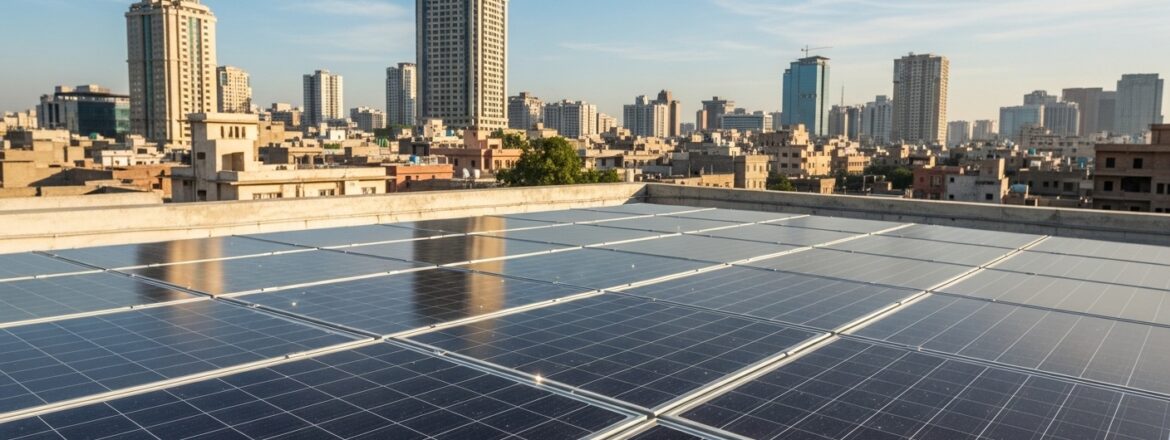
Finding the right certified solar equipment supplier Pakistan can make or break your solar investment. The market has grown significantly, with leading companies now operating in more than 35 cities across the country. Choosing a supplier without proper certification, experience, or support services can lead to system failures, financial losses, and years of frustration.
For this reason, we’ve created this comprehensive guide to help you navigate the selection process. We’ll walk you through what certifications matter, which services quality suppliers should offer, how to research and shortlist potential partners, and specifically what red flags to watch for. By following these essential tips, you’ll be equipped to make an informed decision that ensures your solar system performs reliably for decades.
What to Look for in a Certified Solar Equipment Supplier Pakistan
AEDB certification stands as the primary credential you need to verify when selecting a certified solar equipment supplier Pakistan. This registration confirms that a company meets government standards for technical capability, financial standing, and regulatory compliance. Without valid AEDB approval, suppliers cannot legally install net-metering systems or participate in government projects.
The certification comes in three categories based on project capacity. C-3 covers projects up to 250 kW, C-2 handles up to 500 kW, and C-1 allows unlimited capacity per project. Note that certificates issued under current regulations remain valid for three years from the date of issuance. Always verify the company’s AEDB approval status directly to ensure compliance.
Companies holding this certification gain eligibility for bank financing programs, access to large commercial tenders, and inclusion in official vendor lists. Identically, this registration makes them qualified for government and donor-funded projects while reducing competition through higher trust among corporate buyers.
Tier 1 Product Availability
The term ‘Tier 1’ lacks official recognition but analysts use it to categorize solar panels from well-reputed manufacturers with higher efficiency and latest technology. In Pakistan, these panels typically come from top-ranked companies that demonstrate durability and quality.
Bloomberg New Energy Finance uses proprietary data from 200,000 individual projects to identify leading manufacturers of solar PV modules, power inverters, and energy storage systems. Their classification system employs data-driven, objective criteria published quarterly. Similarly, S&P Global’s 2025 Tier 1 list covers 63 renewable suppliers, evaluating them across market presence, shipment scale, global diversification, and financial performance.
Tier 1 solar manufacturers recorded average EBITDA margins 12 percentage points higher than the sector average. For Pakistan’s rapidly expanding solar market, globally recognized companies provide confidence to investors and industrial consumers.
Years of Operation and Market Reputation
A supplier’s operational history reveals their capacity to deliver consistent service. Companies with extended track records have navigated market changes, built distribution networks, and established after-sales support systems. Check their portfolio of completed projects to assess experience across different system sizes.
Market reputation develops through verified installations, customer satisfaction, and technical support quality. Request references from previous clients and examine their presence in official AEDB certified installer lists. Suppliers with physical offices demonstrate commitment to long-term operations rather than temporary market entry.
Essential Services a Quality Supplier Should Offer
A certified solar equipment supplier Pakistan should provide complete support beyond just selling panels and inverters. These services separate professional suppliers from basic equipment vendors.
Net Metering Assistance
Net metering allows you to export surplus electricity to the national grid and receive credits on your bill. The application process requires specific documentation and regulatory approvals that quality suppliers should handle. We prepare NEPRA application forms, compile required documents including your CNIC and electricity bills, and submit them to the relevant distribution company.
After submission, the energy department conducts a technical inspection. Upon approval, you receive a No Objection Certificate under SRO 892(1)/2015. Your supplier should then facilitate the agreement signing with your DISCO and submit documents to NEPRA for generation license verification. The process concludes with bi-directional meter installation within 30 days.
Solar Financing Support
Multiple banks offer Islamic financing options for solar installations. Meezan Bank provides financing from PKR 100,000 to PKR 2,500,000 with minimum 15% down payment for on-grid systems. MCB Islamic Bank finances up to PKR 20 million with tenure extending to 10 years and minimum customer contribution of 20%. Bank Alfalah covers systems from 4 KW to 1000 KW with competitive markup rates and tenure up to 5 years. Your supplier should guide you through these options.
System Design and Consultation
Professional design begins with site assessment analyzing roof structure, orientation, shading, and available space. Energy audits determine appropriate system size based on your consumption patterns. Suppliers provide custom system designs with detailed engineering plans and precise electrical layouts.
Installation and Commissioning
Certified installation teams use high-quality components while ensuring grid integration. Pre-commissioning inspections verify electrical connections, performance metrics, and system integrity. Proper commissioning validates that components function correctly and prevents 3-8% lower energy production over system lifetime.
Maintenance and Technical Support
Regular maintenance includes solar panel inspections, dirt and debris removal, and performance monitoring. Technicians conduct voltage tests, thermal imaging, and connection checks to identify faults. Battery maintenance monitors charge levels and terminal conditions. Inverter diagnostics with firmware updates detect potential failures early.
Steps to Research and Shortlist Potential Suppliers
Start your research by accessing the PPIB certified installer database, which maintains updated records of all AEDB-approved companies. Visit the official PPIB website to download the current list organized by certification category. Cross-verify company credentials through the Pakistan Engineering Council database, as AEDB-certified companies require valid PEC licenses.
The official lists include complete contact details, registered addresses, and certification validity dates. Given that certificates expire after three years, checking the validity period prevents engaging with companies operating on expired credentials.
Compare Service Areas and Project Scale
Different suppliers operate across varying geographic regions. Some companies serve only ICT and Punjab, while others cover Sindh, KPK, and Balochistan. Match their service territory with your location before proceeding.
Project capacity matters equally. C-3 category installers handle systems up to 250 kW, C-2 manages up to 500 kW, and C-1 certified companies work on unlimited capacity projects. Similarly, businesses requiring commercial installations should prioritize contractors with proven commercial project portfolios rather than residential-focused installers.
Analyze Customer Reviews and Feedback
SolarReviews provides consumer reviews, service information, panel brands offered, accreditations, and years in business for each listed company. Google reviews offer location-specific feedback, though they carry higher potential for unverified entries. The Better Business Bureau screens customers rigorously, making fake reviews rare.
Look for patterns in customer service quality, timely responses, and professional staff behavior. Companies responding to both positive and negative reviews demonstrate commitment to customer satisfaction.
Request Site Visits and Free Assessments
Professional site visits include rooftop measurements, sunlight and shading analysis, structural strength evaluation, and system compatibility checks. Technicians examine roof dimensions, angles, and shade readings using sophisticated tools to ensure accurate system modeling. In particular, these assessments identify pre-existing electrical code violations that could cause inspection failures and unexpected costs.
Multiple Pakistani suppliers offer free site surveys with no hidden fees, typically lasting 30-60 minutes.
Red Flags to Avoid When Selecting Your Supplier
Recognizing warning signs early protects you from costly mistakes and unreliable partnerships. Several indicators suggest a certified solar equipment supplier Pakistan may not deliver quality service.
Lack of Proper Documentation
Suppliers who cannot provide manufacturer-issued warranty certificates, serial numbers of major components, or physical copies of warranty terms create future claim difficulties. Request complete documentation upfront. Companies failing to maintain proper records signal poor organizational standards.
Unrealistic Pricing or Guarantees
Beware of misleading savings claims showing outdated energy bills or incorrect utility buy-back rates. Claims like “save up to 70% on electricity bills” often hide the reality that most customers save far less. Prices significantly below market average typically indicate lower quality equipment or hidden costs.
Poor Communication and Transparency
Suppliers pressuring you to sign contracts immediately without answering questions demonstrate unethical practices. Hesitance to share information or inconsistent responses across different channels indicates unreliability. Professional suppliers respond consistently and support documentation review thoroughly.
Limited Product Options
Companies claiming “you only have one choice of equipment” restrict your options unfairly. Quality suppliers offer multiple brands and configurations matching your specific requirements.
No Physical Office LocationSuppliers without verifiable physical locations like offices or warehouses often rely on subcontractors. Visit operational facilities to confirm equipment storage capacity and installation capabilities before committing.
Conclusion
Selecting the right certified solar equipment supplier Pakistan requires thorough verification and research. With this in mind, prioritize AEDB certification, Tier 1 products, and comprehensive service offerings when making your decision. Take time to verify credentials through official sources, compare customer reviews, and watch for red flags like unrealistic pricing or missing documentation. Your due diligence today ensures reliable solar performance and genuine savings for decades ahead.